000 100
Motive of the Platform

What Is LMS Software?

A Smarter Way to Manage Learning

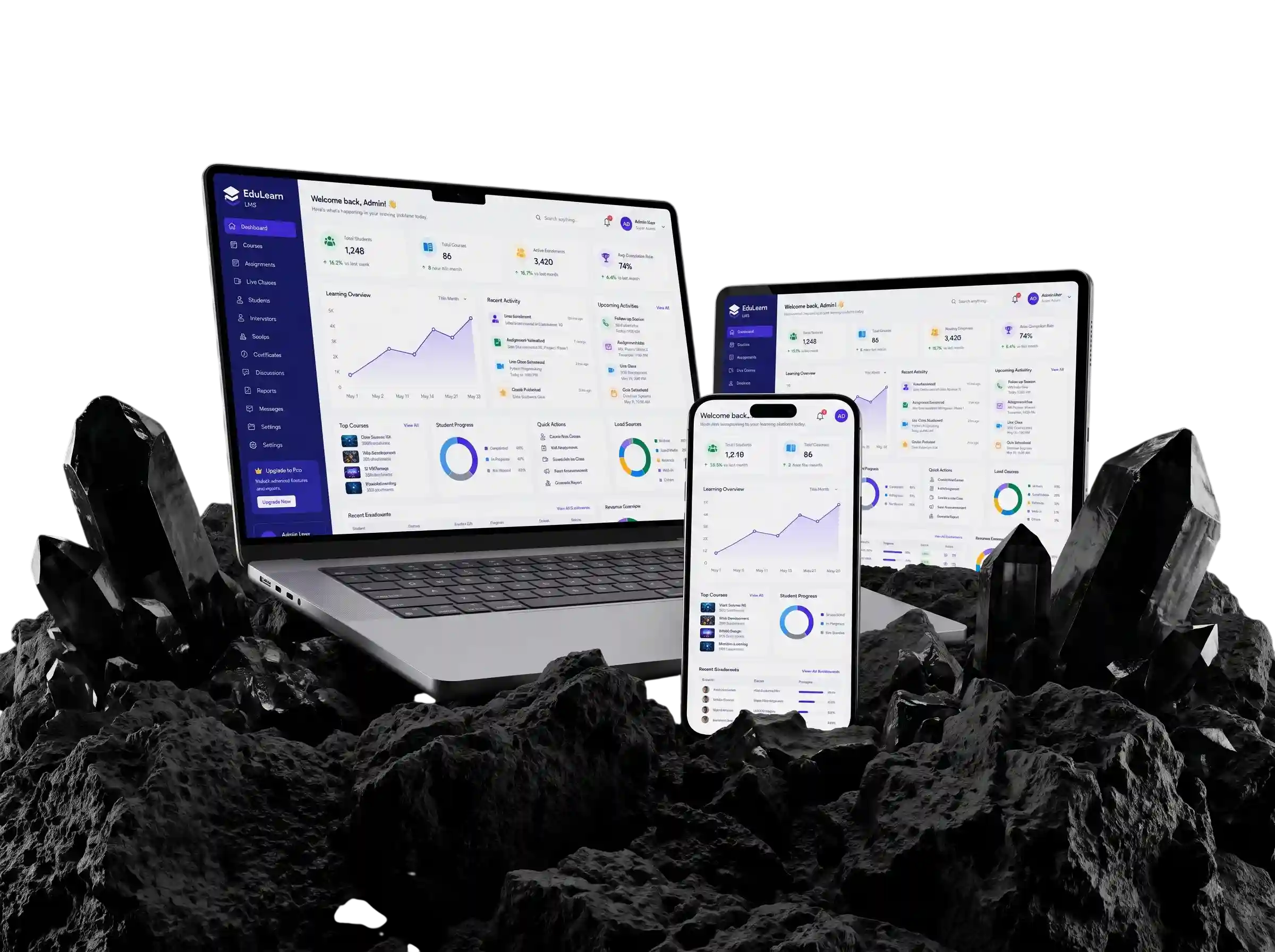
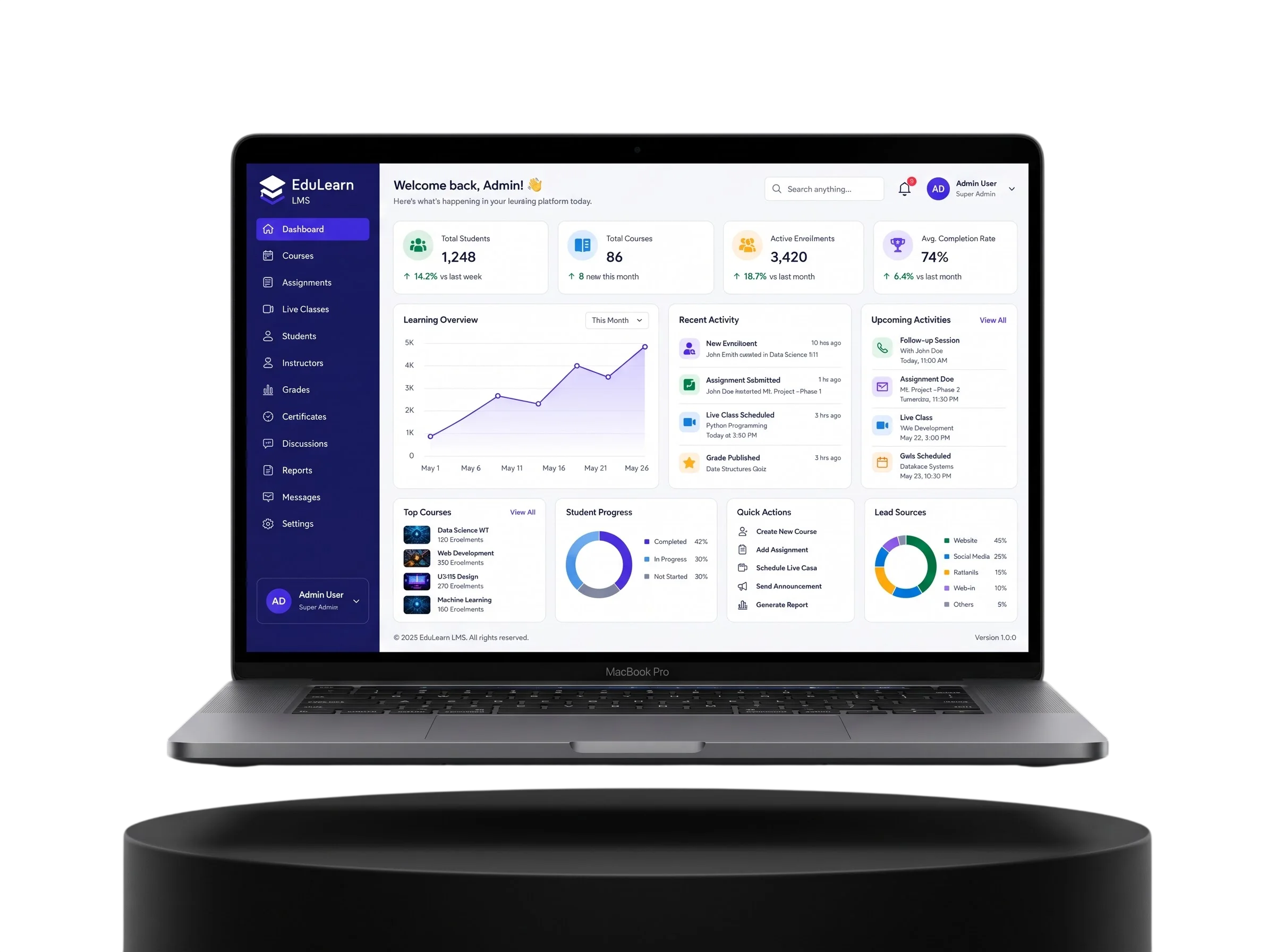
A Learning Management System (LMS) is a digital platform that helps institutions and organisations create, organise, deliver, and monitor learning activities. Instead of managing courses, learning materials, assessments, and learner records across disconnected tools, an LMS brings essential learning functions into one organised environment.

With LMS software in Kerala, educational institutions and training providers can manage digital courses, share learning resources, conduct assessments, and monitor learner progress. Faculty members and trainers can organise content, communicate with learners, and review performance, while students and participants can access learning materials through the platform’s available features.

LMS solutions are useful for colleges, schools, professional training centres, coaching institutes, and businesses that deliver employee training. Depending on the implementation, an LMS can support online learning, blended learning, self-paced courses, and structured training programmes.

At Tisser Technologies LLP, the LMS solution is intended to help organisations bring learning activities into a more connected digital environment. The platform can be evaluated and configured according to the institution’s workflows, learner requirements, and technical needs.

Built for Every Learning Environment

Built for Every Learning Environment

  • Colleges & Universities: Organise digital course materials, learning activities, assessments, and learner progress in support of academic programmes.
  • Schools & Educational Institutions: Create a more structured digital learning environment for educational content, assignments, and student engagement.
  • Training Centres & Coaching Institutes: Manage training programmes, course resources, and learner participation through a centralised learning platform./li>
  • Corporate Learning Teams: Support employee onboarding, professional development, internal training, and learning programmes.
LMS platform
Key Features
01

Course & Content Management

Organise courses, learning materials, and educational resources through a centralised platform. Help learners access relevant content and enable educators to structure learning activities according to their programmes.

02

Student & Learner Management

Maintain learner information and organise participation across courses and programmes. Support a more structured learning experience for students, faculty members, trainers, and administrators.

03

Assessments & Progress Tracking

Manage available assessments and review learner performance through the platform's configured tools. Help educators understand participation and progress using accessible learning records.

04

Reports & Learning Insights

Access available reports on course participation, assessment results, and learner activity. Use organised information to evaluate training outcomes and identify areas that may need additional attention

05

Flexible Learning Access

Support digital learning experiences through a centralised platform. Depending on the solution's capabilities, learners can access assigned resources and course activities remotely, while educators manage learning content more efficiently.

06

Administration & User Access

Organise course administration and assign access according to user responsibilities. Suitable permissions help ensure that learners, educators, and administrators can access the features relevant to their roles.

An LMS That Fits Your Learning Process

Every institution has different academic structures, course formats, and administrative requirements. The right learning management system should support those needs rather than force every organisation to follow the same workflow.

LMS software can be configured or customised around course structures, user roles, assessment requirements, reporting needs, and institutional processes, depending on the platform’s capabilities and project scope.

Integration is another important consideration. Institutions may want their LMS to work alongside existing student information systems, campus ERP platforms, authentication services, or other digital tools. Integration feasibility depends on available APIs, technical compatibility, data requirements, and implementation planning.

For colleges and universities, a well-planned LMS implementation can help connect teaching resources, learner activities, and course administration in a more organised digital environment.

Better Learning Starts with Better Technology

Choosing the right LMS software in Kerala means finding a solution that aligns with your learners, educators, and institutional objectives.

Tisser Technologies LLP develops digital solutions with a focus on practical workflows and business requirements. Our LMS offering provides a starting point for organisations looking to structure learning activities, manage digital courses, and improve access to learning information.

Whether you are planning to introduce digital learning or modernise an existing process, the right implementation begins with understanding your requirements, identifying essential features, and determining the integrations needed.

When evaluating the best learning management software in Kerala, consider ease of use, course management capabilities, reporting, customisation, integration options, user access, and ongoing technical support.

FAQ.

What is LMS software?

LMS software, or Learning Management System software, is a digital platform used to create, deliver, organise, and monitor courses, training programmes, assessments, and learner activities.

Who can use a learning management system?

Schools, colleges, universities, training centres, coaching institutes, and corporate learning teams can use an LMS to manage educational content and structured learning programmes.

What features should an LMS have?

Essential features may include course and content management, learner administration, assessments, progress tracking, reporting, and user access controls. Additional features depend on the institution’s requirements.

Can LMS software be customised for colleges?

Yes. LMS solutions may be customised to support college-specific course structures, user roles, assessment workflows, reporting, and academic requirements, depending on the platform and project scope.

Does LMS software support colleges and universities?

Yes. An LMS can support digital course delivery, learning resources, assessments, and learner progress monitoring for higher education institutions.

Can an LMS integrate with existing systems?

Integration may be possible with campus ERP, student information systems, and other platforms, depending on available APIs, technical compatibility, and implementation requirements.

Can LMS software manage courses and students?

Yes. Course and learner management are core LMS functions. The available tools determine how courses, enrolments, learner records, and activities are organised.

Can an LMS generate reports?

Many LMS platforms provide reports on learner participation, assessment performance, course completion, and other learning activities, depending on the available reporting features.

Who develops LMS software in Kerala?

Tisser Technologies LLP offers digital learning solutions for organisations exploring LMS implementation. Contact the team to discuss your requirements, available capabilities, and customisation options.

How can our institution get started?

Start by identifying your learner groups, course requirements, assessment needs, and desired integrations. Contact Tisser Technologies to discuss a suitable LMS approach and request a quotation.

Partner With Us